A Handmade Spirit
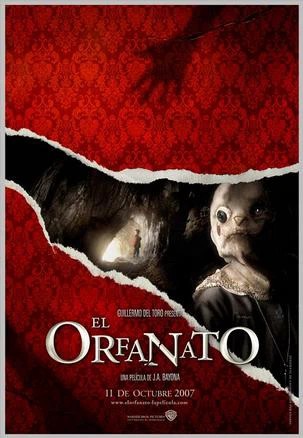
What is this film actually about? It’s genuinely hard to say. I walked out of the theater yesterday, and was still thinking about it past five this morning. To me it feels like the howl rising from the depths of life within Laura, the pitiable mother, the moment she discovers she herself caused her son’s death; it also feels like the rise and fall of the orphanage — a grand baptism from desolation into decay. After her son’s death, Laura is utterly consumed by the grief of losing him and the hope of finding him again — she stares at his photographs, restores the orphanage… I’m certain there were many more details that never made it onto the screen.
When a person’s mind is on the verge of collapse, what most often takes hold of their thinking is a single belief, a single hope — to me, this is humanity’s most uncontaminated garden, the truest expression of human feeling. In the end, Laura dies amid her own delusions, having taken too many pills. The film’s most beautiful moment comes when Laura embraces Simon, the children come walking toward her one by one, and even Tomas removes his mask and smiles, as they all gather in Laura’s arms. The lighthouse flares back to life — and even though it’s only a fantasy, that light feels as warm and bright as sunlight itself, illuminating the heart.
In the eyes of many people, ghosts are exactly what Laura’s husband believes them to be — simply nonexistent. Su Xuelin, in her commentary on Lu Xun, said that during his lifetime he turned himself into a kind of idol. Aren’t the spirits in this film exactly what Simon and Laura themselves fabricated? The irony is that the ones fabricating these spirits are, on one hand, a lonely boy near death, and on the other, a pitiable mother “guided by pain” in her desperate search for her son. They both carry love and feeling in their hearts, and through certain “fabricated” things, they manifest life and bring it into sharper relief.