Do Not Be Silent
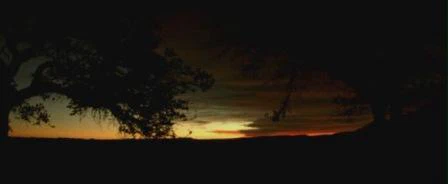
Silent Light (Stellet Licht, also translated as “Silent Sunlight”) tells the story of an all-too-common marital affair – the third party. But I don’t want to dwell on who is the “wounded one” or the “one who lets go” in the film, nor debate whether the male lead was right or wrong. What I think is worth mentioning is only the six minutes of footage the director used to “record,” with such honesty, at the beginning and end of the film – the sky breaking into dawn, the afterglow dissolving away. For those people who get “earth-shattering” over matters of the heart, the light that pours out at sunrise and sunset is the best medicine for silence and peace.
In reality, many people turn a blind eye to the various troubles of marriage and love, and I admit this kind of life can bring a sense of calm and warmth. Think about it – waiting at dawn for the first ray of light, the sunlight silent and wordless, unmoved by sound or color, holding and swallowing all the darkness. And yet, I still don’t want to spend my life this way. A life like that always feels like it’s missing something – no change, no unpredictable thrill. I long for a free, unfettered “journey,” and the happiness of calm and peace only unsettles me.
This moment reminds me of a saying: marriage is the grave of love, but without marriage, love would have nowhere even to be buried. I’d like to add one more line: why must we find love a grave at all? A love left exposed in the wilderness, left for others to curse and spit on, to disappoint, to grieve over, to suspect – isn’t that far better than a love quietly enshrined in a memorial hall? The title is “Do Not Be Silent,” because I may already have been placed long ago on some long assembly line, flowing on, day after day, in a great surging tide toward some distant place, and have already been silent far too long.