Total Eclipse
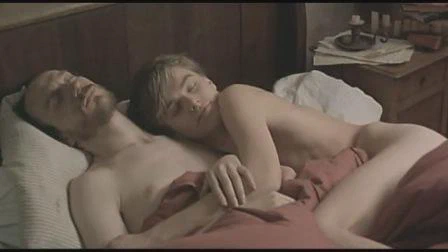
In The Moon and Sixpence, Maugham says that some people, in this world, are born in the wrong place. To that place, they are nothing more than a passerby. Among friends and family such a person may remain forever withdrawn and unhappy, and even in the one environment they know best, they stay solitary. This sense of being a stranger in their own homeland forces them to wander far away, searching for a dwelling where they might finally settle for good.
I have always felt that Rimbaud was exactly this kind of person. He had “wind beneath his feet,” fleeing people and things again and again in pursuit of the dream in his heart, and even when the dream shattered, he went on searching for a new “vision.” But this passerby, as Mallarmé put it, was a passerby worthy of respect. True, he was unrestrained, yet he left tenderness behind; he wandered, yet he cried out to be kept; he was infatuated, yet never settled; he understood, yet refused to admit it. This was Rimbaud, a man fated to wander his whole life.
His love affair with Verlaine once stirred his inspiration and gave the world brilliant poems, yet in the end it turned him into a great bird burdened with a thousand pounds, no longer able to spread its wings and soar. Despite their almost heartless breakup, I believe he truly loved Verlaine, not merely liked him a great deal. He once imagined they might stay together for life, that everything might come to a stop. But unfortunately, for someone of Rimbaud’s temperament, love could never make him stay in one place – only ceaseless leaving, ceaseless searching, could soothe this genius’s restless, drifting heart.
What stays with me most is the film’s ending, where Rimbaud runs toward the sea. He found it. Found what? Eternity – the sun and the sea shining together as one! And yet I find myself wondering: did Rimbaud really find it?