The Right to Atone
Tonight I rewatched Kon Ichikawa’s masterpiece The Burmese Harp (ビルマの竪琴, 1956). Let me say upfront: this is a very good film. Its strength lies in its delicate portrayal of human nature, its faithful capture of local customs, and the abyss of reflection it leaves the viewer to sit with. I once read The Chrysanthemum and the Sword, which reflects on the character of the Japanese nation and the domestic situation during the war. Watching this film afterward complements that reading well, and gave me a deeper understanding of how the Japanese, both inside and outside the country, thought about the war at the time.
The Burmese Harp unfolds through the inner transformation of an ordinary Japanese soldier, Mizushima, and the story is compellingly told. Mizushima’s unit has already surrendered, and he’s ordered by his captain to persuade another besieged Japanese unit to give up their pointless resistance rather than die in vain. He fails. When he wakes on a battlefield strewn with corpses, on his way to find his comrades, he sees the devastated land of Burma littered with mounds of Japanese dead… In the end, Mizushima gives up returning home, choosing instead to stay and walk across every inch of Burma.
Under Ichikawa’s direction, this drastic transformation never feels forced or abrupt. I remember one scene where Mizushima, inside a pagoda, can’t help but pick up his harp and play along with his comrades’ singing. By the time the others realize and rush to the door looking for him, he stands just on the other side, listening to their voices, quietly murmuring each of their names. The pain in his heart — both longing for them and unwilling to face them — comes through vividly. There are many details like this throughout the film.
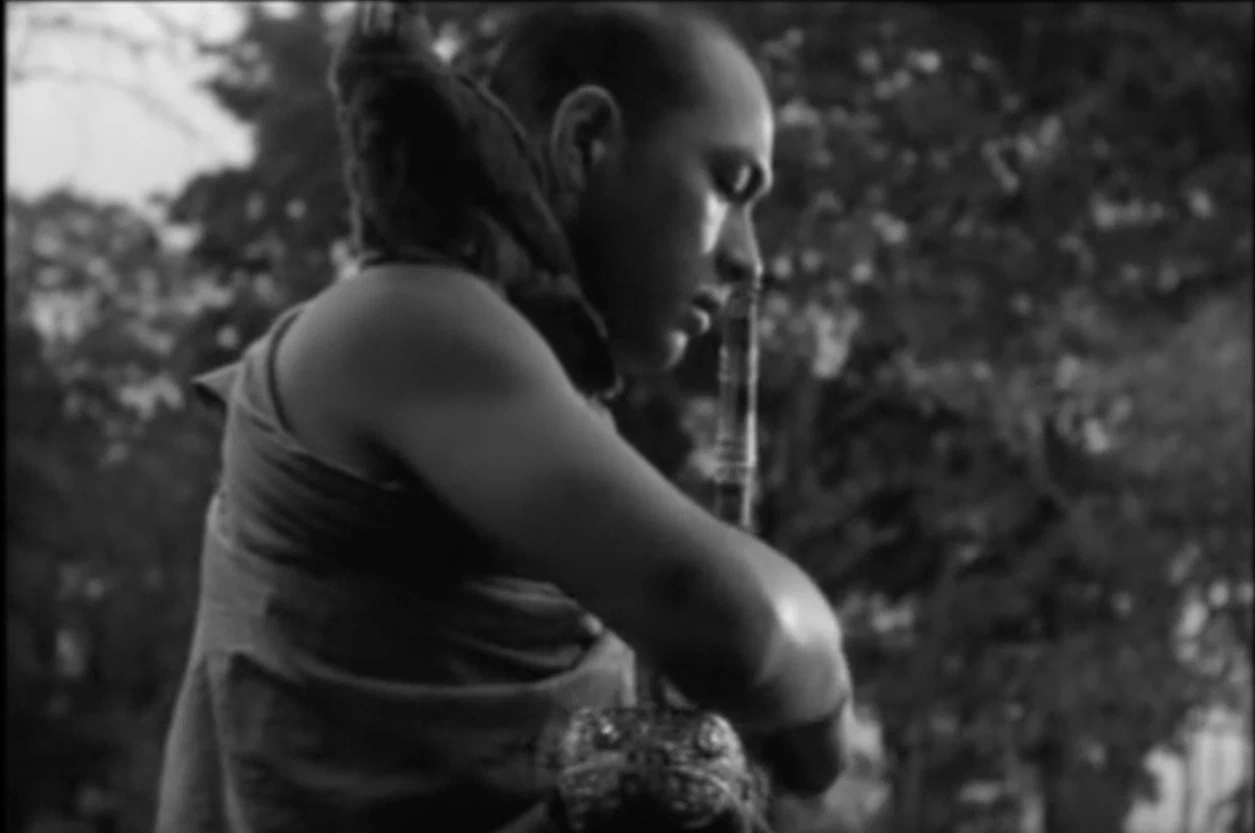
Why does Mizushima do what he does? This question has almost been elevated into one of politics and national stance. Some viewers believe the director intended to whitewash Japan’s wartime history, and that even this act of atonement is being framed as “paying tribute to the Yamato race.” Japan’s wartime army undoubtedly committed terrible crimes and caused great harm to the Chinese people. But do they truly have no right to atone? Even after atoning, must they still face endless condemnation and suspicion?
At least to my eyes, Ichikawa’s depiction of the Burmese people comes from real feeling. A director without genuine feeling could never have seen that lovable old woman, the mountains and rivers, the devout and simple people everywhere in the film. I see no need to maliciously assume he had some “hidden agenda.” As for those who don’t believe Mizushima’s repentance is sincere, I suspect they’d also struggle to understand the lifelong torment endured by the heroine of Atonement (2008).
People are equal when it comes to atonement. Everyone has the right to feel that what they did was wrong, that it hurt others — that’s a form of moral cultivation, of conscience. Likewise, being able to perceive the atonement of someone who has hurt you is also a form of cultivation and conscience. In The Reader (2008), the survivor is offered money from the Nazi perpetrator, and she refuses it. When asked what to do with it instead, she simply says: As you think fit.
Our conscience, in the end, is always interrogating whether something is truly “fit” — and that’s why I believe a soldier like Mizushima could exist.