Gaming Notes - Black Myth: Wukong
The recently popular game Black Myth: Wukong is built from a sense of uniqueness, subtlety, and an irreducible, lingering mystery that together form this virtual world. Somewhere between deliberate and accidental, the developers have left us many fascinating fragments. Without further ado, I’ll record them as I play.
One.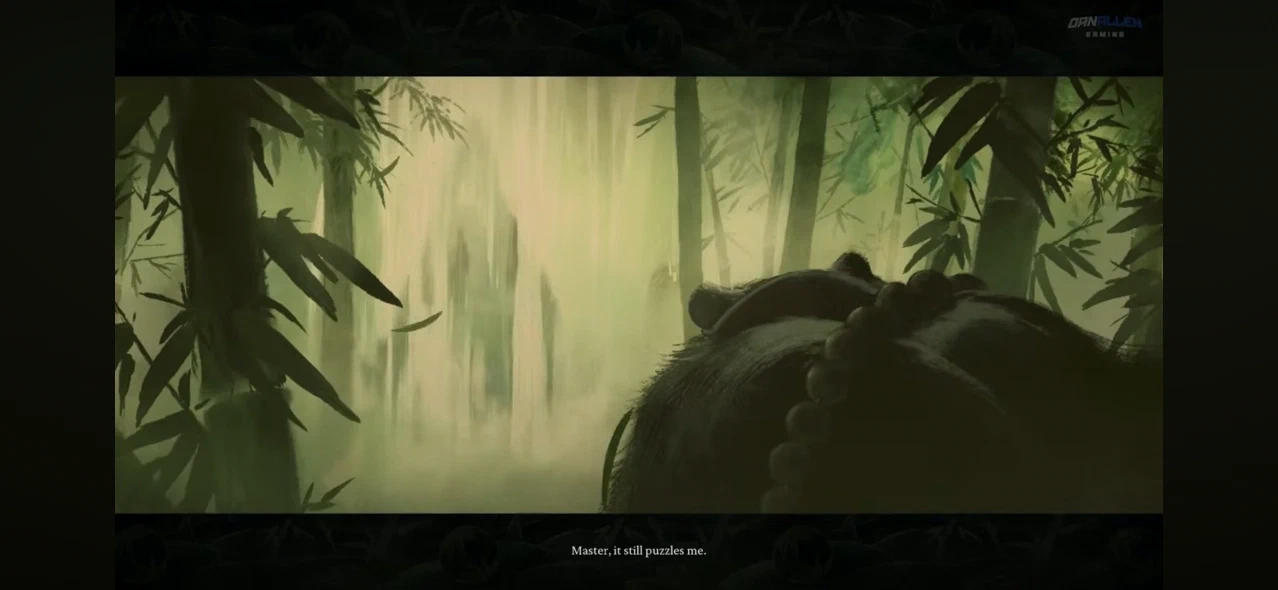
A passage from The Compendium of the Five Lamps, Volume One.
Seeing an unusual aura about a Brahmin’s dwelling, the Patriarch made to enter it. The master of the house, Kumaralata, asked: “What sort of followers are these?” The Patriarch said: “Disciples of the Buddha.”… Luoduo said: “There is no one in this house.” The Patriarch said: “Then who is it that answers?” Hearing this, Luoduo knew he faced no ordinary man, and opened the gate to receive him…. When conditions do not obstruct one another, then birth itself is no-birth.
Two.
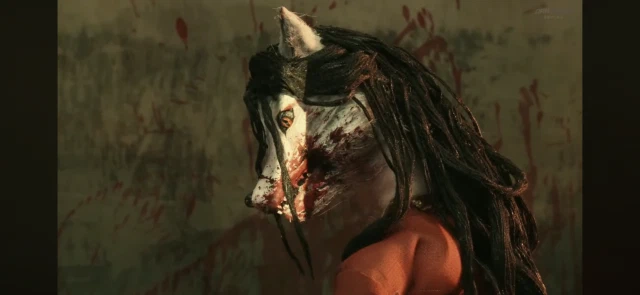
.
Meeting you
is as hard as meeting myself;
missing you
is as easy as missing myself.
.
The first time I saw you,
you were like a star, like the night, like a melody;
the next time I saw you,
you had already become one with it.
Three.
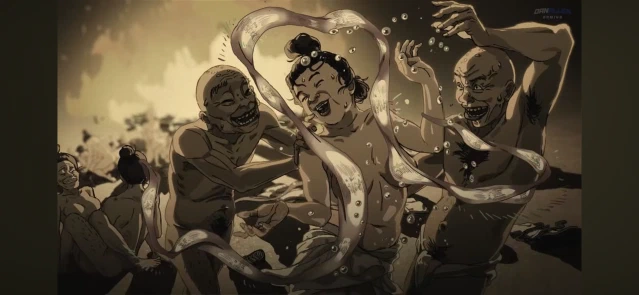
The turtle, the villager, and the jewel merge into one, leaving the viewer unsettled. Beneath the vast yellow sky, the question of human nature is lifted into a meditation as old and ever-renewing as time itself.
Four.
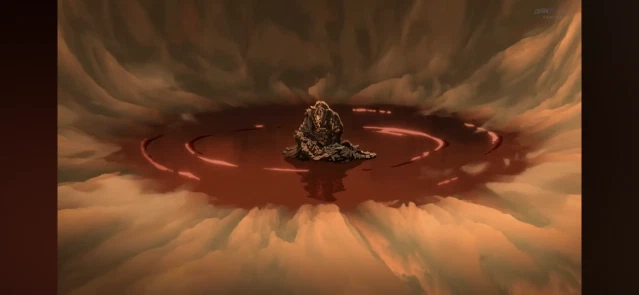
Now I understand the helplessness and the things people feel they have no choice about. I once thought such people had simply become slaves to society; now it seems that love, dreams, freedom… almost all of them are merely appendages of existence. Someone who hates randomness might end up spending the rest of their life as a statistician. What an absurd joke that is — and yet such a vivid, living portrait of reality.
Five.
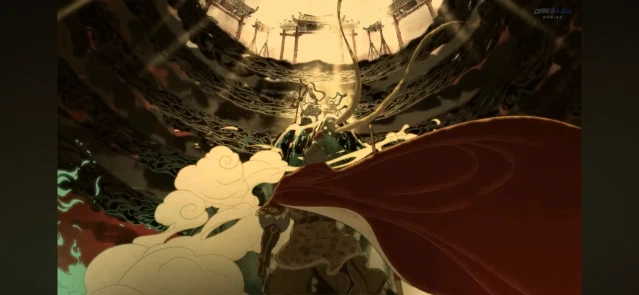
Works about Wukong always seem to end up linked to “Camp,” that aesthetic which demands a certain audacity. The world insists that thinness is beauty, yet John Waters took an aging man, Divine, and dressed him as a woman in pure camp defiance; the world insists that politicians be composed, or at least pretend to be, yet Trump burst onto the scene, camping that very expectation; King Zhou of Shang was tyrannical and refused to heed counsel, so Jizi feigned madness, camping the entire decadent, incompetent society — and Confucius praised this as “ren” (benevolence). It’s like that line from the film Jeux d’Enfants (Love Me If You Dare): “Dare you?”
Six.
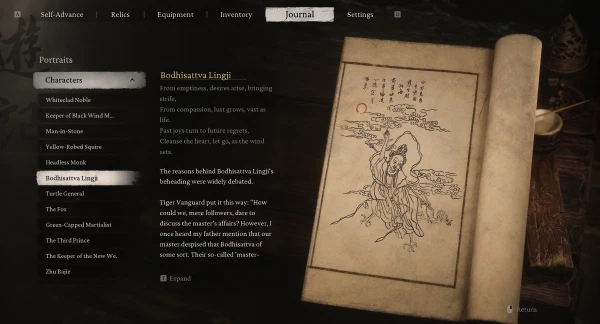
Qian Zhongshu once remarked that translators are good for nothing. The reasoning isn’t hard to grasp. A good translation must carry feeling and thought, must emerge from language yet rise above it. Otherwise, turning “car” into “jiaoche” (sedan car) or “bus” into “daba” (big bus) — how easy is that? Translation comes into being only where feeling and thought arrive together. Hence a translated text is itself evidence of feeling and thought. — In an age that prizes the instantly consumable above all else, translation may be the last surviving form of literary art.