A Root, a Cup of Tea
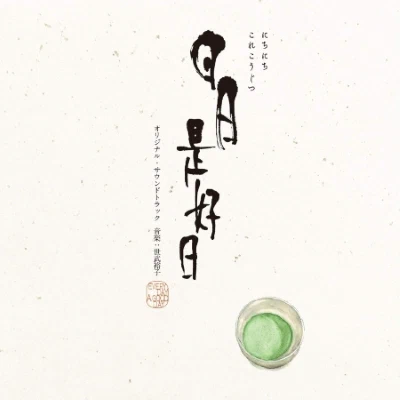
Every Day a Good Day (日々是好日, 2018) is a film adapted from the memoir of Japanese tea ceremony instructor Noriko Morishita. At twenty, Noriko began learning, in a tea room, how to fold cloth, rinse bowls, and pour water — coming to understand, through repetition, the discipline behind every small gesture. Noriko was no prodigy; she was ordinary, hesitant, and for a long stretch of time, unsure what the tea ceremony even meant. In that narrow tea room, she learned to tell apart the subtle difference in sound between hot water poured into a bowl in summer and cold water in winter, learned to listen to rain on rainy days and watch clouds on clear ones. Those seemingly tedious, day-after-day rituals were, in fact, time made tangible…
By the end of the film, Noriko is no longer the lost girl peering in from outside the tea room, nor is she still troubled by the meaning of life — she has become part of the tea room itself: tranquil, yet holding a quiet strength; old-fashioned, yet moving with the seasons; silent, yet brimming with life. The film’s theme song is deeply soothing, and paired with the story, it makes you feel time itself slipping past.
As for the history of matcha, it’s a “bitter” journey of migration, craft, and culture. As early as the Tang dynasty, the Chinese were already steaming tea leaves, drying them, and grinding them into powder to drink with water. The Song dynasty developed the practice of “dian cha” (点茶) — placing tea powder in a bowl, pouring in water, and whisking it with a bamboo whisk until foam rose. In the Southern Song, the Japanese monk Eisai brought Chinese tea seeds and this mature “whisking” method back to Japan. As the practice in China was gradually replaced by loose-leaf brewing, Japan elevated it into a full ceremonial art. In pursuit of the most vivid green and freshest flavor, tea farmers developed a distinctive technique: shading the plants under trellises before harvest so the leaves, starved of direct light, produce more chlorophyll and amino acids; the leaves are then ground slowly on stone mills into a fine powder with a silky texture, without damaging the aroma.
For centuries, the tea ceremony served as a spiritual anchor for samurai, and embodied the Zen idea of “ichigo ichie” — one encounter, one chance, never to be repeated. These days, of course, matcha has transformed into the darling of the wellness and baking world :)