Color Matters
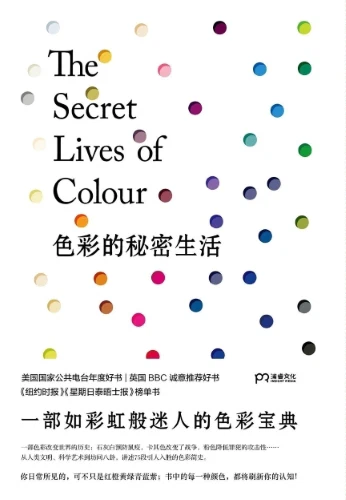
Over the Lunar New Year I read The Secret Lives of Colour (Kassia St. Clair, 2017) — a wonderfully fun and thoroughly researched popular science book on color. It covers everything from the physics of spectral analysis to the origin of the term “blue-collar worker” (indigo-dyed jeans), a little of everything. And quite a few long-standing sociological puzzles find their answers here too.
For instance: why have so many civilizations been drawn to red in particular?
The book explains that red, sharing its color with blood, has always been tied to life, danger, and death. We put money into red envelopes; Catholic bishops wear red; the ancient Egyptians wrapped mummies in linen dyed with red ochre; red appears on the flags of 74% of countries; waitresses wearing red uniforms earn 26% more in tips. Across all these seemingly unrelated customs, red’s special status shows through in a startling way. When red was first noticed, it probably meant nothing at all; people everywhere, independently, turned it into a vessel for special meaning.
The author even includes some history with a sharper edge. Purple dye, for instance, came from sea snails, was extraordinarily expensive and famously foul-smelling, which is exactly how it became the exclusive “scent of power” reserved for royalty. The wildly popular 19th-century wallpaper color Scheele’s Green actually contained arsenic — Napoleon’s death on Saint Helena may well have had something to do with the toxic green coating the walls of his room… The book doesn’t even spare Mummy Brown, the 18th- and 19th-century oil paint pigment some painters made by grinding up actual mummies. It really does run the gamut, from the sublime to the absurd.